Published on: July 29, 2026
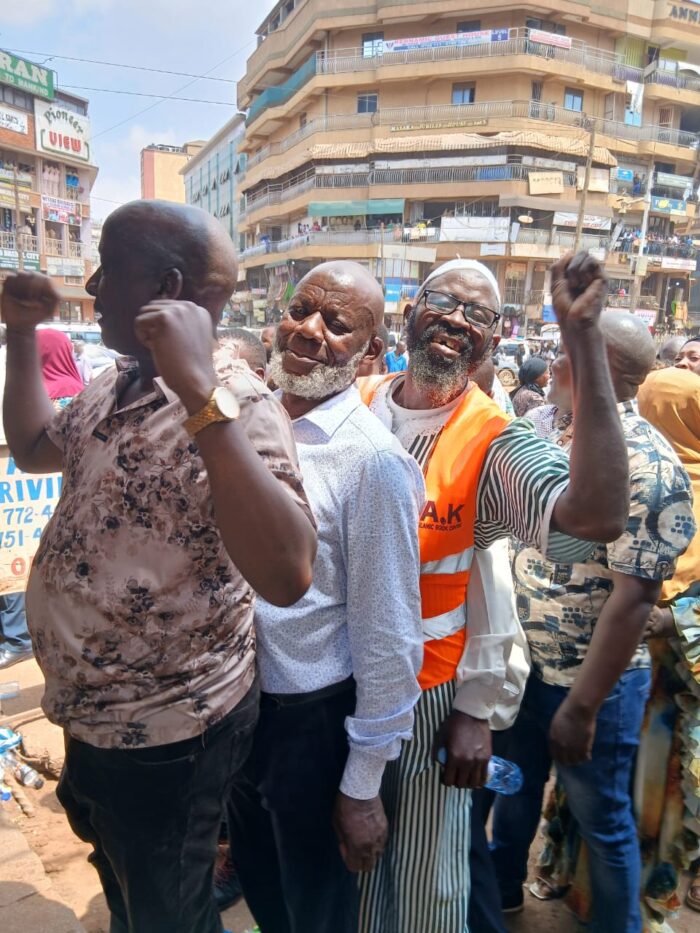
The Local Council 1 elections, held on 28 July 2026, form the foundation of grassroots democracy in Uganda by enabling citizens to elect their village leaders. The long-awaited elections produced mixed outcomes, with experiences ranging from peaceful and orderly voting to violence and disruption. In many parts of the country, voter turnout was high, reflecting widespread public interest and suggesting that the elections were long overdue.
In several areas, however, the elections failed to take place or were significantly delayed due to a range of unforeseen operational challenges. In some areas, voter unrest created a challenging working environment for election officials. As a result, Returning Officers reportedly left before completing their duties, citing excessive workload and security concerns. Other challenges included disorder at polling stations, inconsistencies in village registers, and logistical shortcomings that hindered the smooth conduct of the election exercise.
There were also allegations that some Electoral Commission officials failed to discharge their responsibilities impartially, with reports that candidates who had not received the majority of support were declared winners in some areas. These claims would require investigation by the relevant authorities.
Although many incumbent local leaders who had served multiple interrupted terms were re-elected, some residents expressed dissatisfaction with what they described as corruption, poor service delivery, and ineffective leadership. In other communities, these concerns motivated voters to elect new leaders, reflecting a growing demand for accountability and improved governance at the village level.
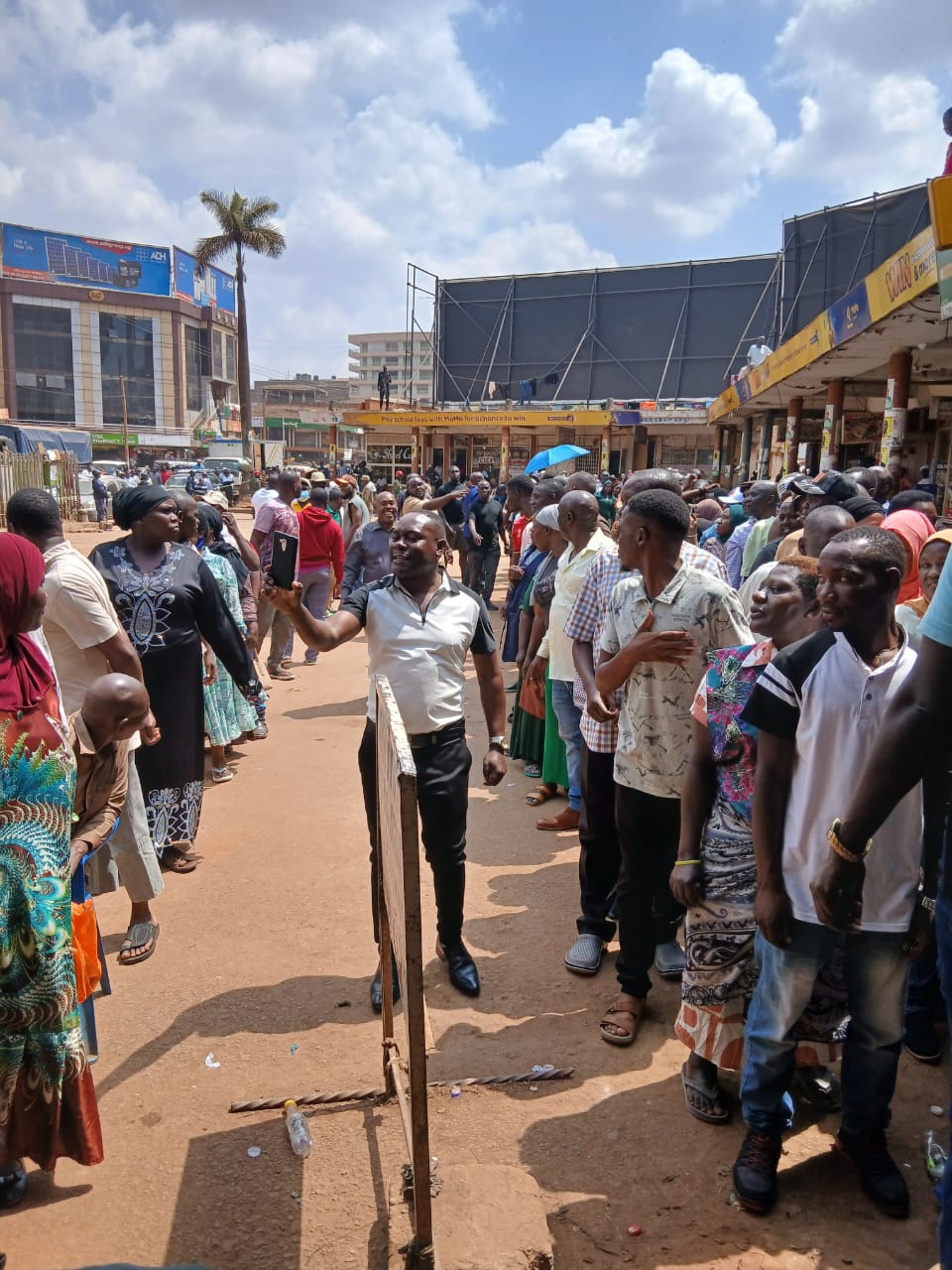
The conduct of the elections varied considerably across the country. In parts of the Acholi Sub-region, including Nwoya District, business activities continued as usual, and children attended school despite the day being declared a public holiday to enable citizens to vote. In Arua City, which comprises 669 villages, the elections were generally reported to have been peaceful. In contrast, reports from some villages in Wakiso District, including Nalugala, Bugabo in Katabi Town Council alleged incidents of electoral malpractice, including the transportation of non-residents in vehicles commonly referred to “drones” as in Uganda’s political discourse to line up behind particular candidates. Elsewhere, the elections were marked by lengthy delays, tension, and violence that disrupted the process. Reports also indicated that lives were lost in some areas, including Buwenge. In Ngobe Central, Bunamwaya, observers alleged that security personnel interfered with voting lines in ways intended to influence the outcome of the election. In other locations, witnesses claimed that unidentified individuals took control of the voting process, introduced unfamiliar candidates, declared them winners, and quickly escorted them away.
These reported incidents, if substantiated, raise serious concerns about the integrity of the electoral process. The elections also highlighted accessibility challenges. Elderly persons, individuals who were ill, and persons with disabilities reportedly received little or no special consideration during the voting process, raising concerns about the inclusiveness of the exercise.
Regarding the cost of conducting the elections, Electoral Commission Commissioner Mr. Crispin Kaheru observed that the exercise was relatively affordable compared to elections conducted through the secret ballot system. Nevertheless, the method of voting by lining up behind a preferred candidate remains controversial. This electoral system was challenged before Uganda’s Constitutional Court in Foundation for Human Rights Initiative (FHRI) and Legal Aid Service Providers Network v. Attorney General and Electoral Commission, (2017). Critics argue that public voting exposes voters’ political preferences, potentially encouraging intimidation, retaliation, resentment, and heightened tensions among both voters and candidates.
Overall, the 2026 LC 1 elections demonstrated both the strengths and weaknesses of Uganda’s grassroots democratic process. High voter participation in many communities reflected citizens’ commitment to local governance, while the peaceful conduct of elections in several areas demonstrated that orderly grassroots elections are achievable. At the same time, operational shortcomings, allegations of electoral malpractice, violence, accessibility concerns, and continued debate over the voting method underscored the need for reforms aimed at strengthening transparency, inclusiveness, efficiency, and public confidence in future local council elections.